
Why Kaiju Movies Still Matter: The Lasting Appeal of Giant Monster Cinema
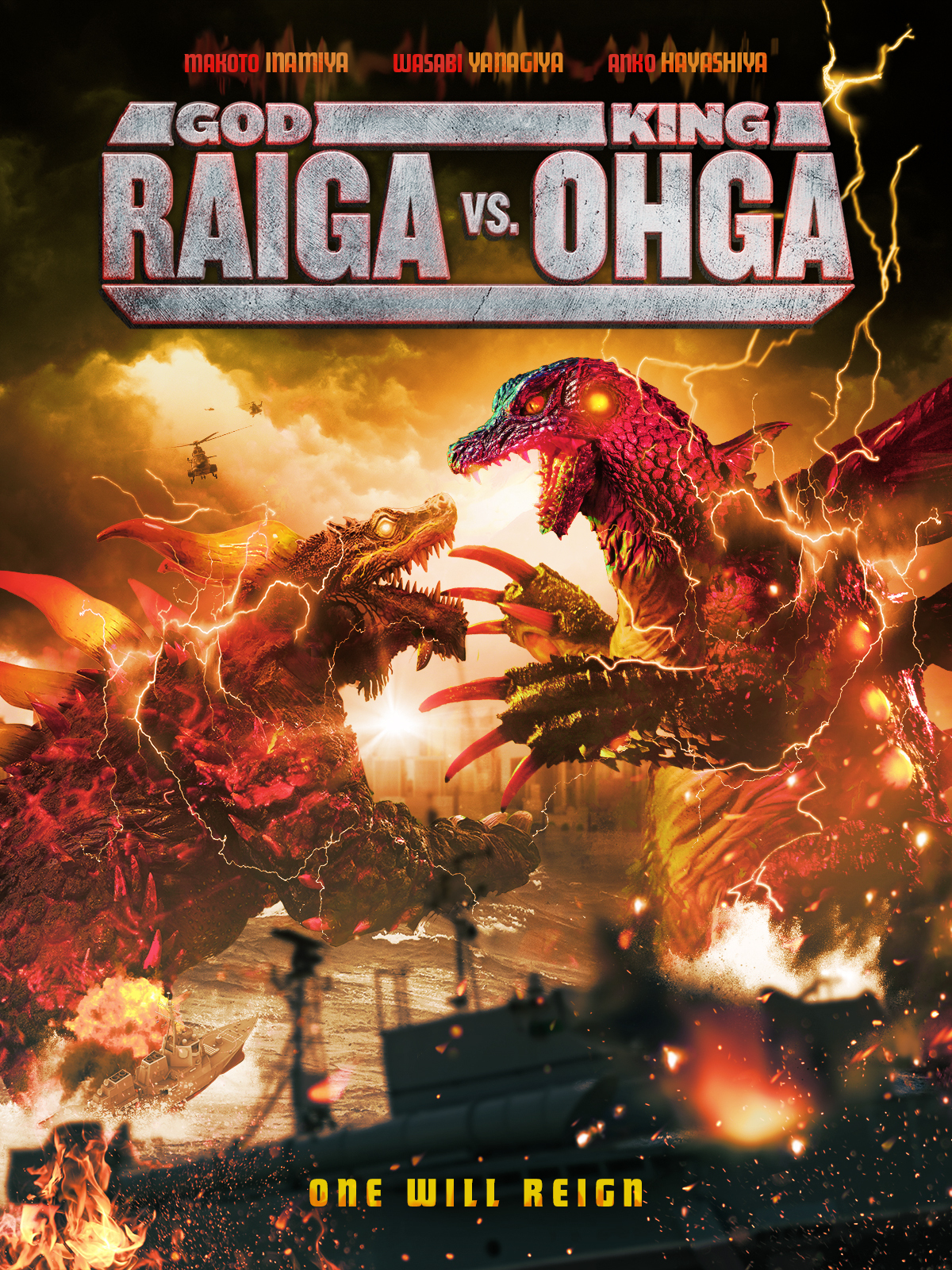
Kaiju movies have never really gone away. They stomp in and out of mainstream attention, but the core appeal has stayed surprisingly strong for generations. Giant monsters, collapsing cities, strange creatures from the sea, impossible battles, and human characters trying to survive something much bigger than themselves all give kaiju cinema a special place in movie history.
The word "kaiju" is commonly associated with Japanese giant monster films, especially the kind of cinema that became internationally recognizable through characters like Godzilla, Rodan, Mothra, and Gamera. But the broader appeal of kaiju movies reaches beyond one country, one studio, or one creature. At their best, these films are not just about monsters destroying buildings. They are about fear, survival, technology, nature, war, pollution, power, and the human instinct to look up at something enormous and wonder what it means.
For fans of cult movies, creature features, and vintage genre cinema, kaiju films offer something that polished modern blockbusters do not always deliver: personality. Many classic kaiju movies were built with practical effects, miniature sets, handmade costumes, smoke, sparks, model tanks, painted backdrops, and bold imagination. The charm is not that everything looks perfectly real. The charm is that the world feels handcrafted.
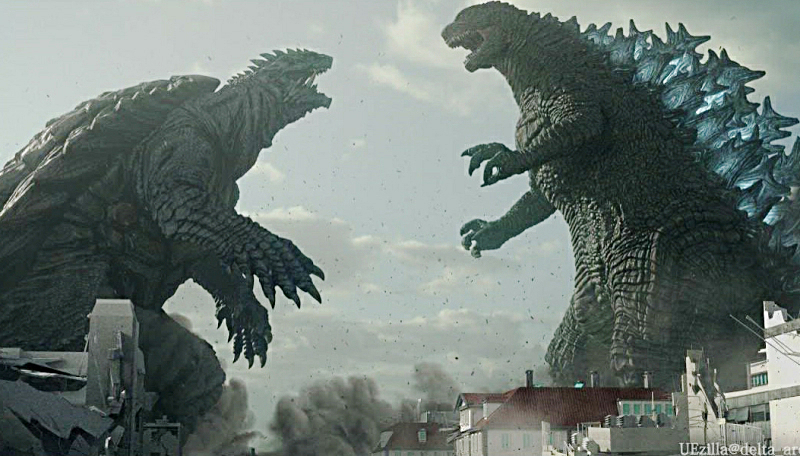
That handmade quality is part of why kaiju movies remain so watchable. A miniature city being crushed by a giant creature has a physical presence that computer-generated imagery can sometimes miss. There is weight to the destruction. There is texture in the sets. There is a theatrical quality to the battles. Even when the effects are imperfect, the films often feel more alive because they are so clearly made by human hands.
Kaiju movies also work because they are flexible. One film can be serious and haunting. Another can be colorful, strange, funny, or completely outrageous. Some kaiju stories lean into science fiction. Others feel closer to fantasy, disaster movies, war allegories, environmental warnings, or Saturday afternoon adventure serials. That range is one reason the genre has lasted.
In postwar Japanese cinema, giant monsters often reflected anxieties about destruction, nuclear power, and humanity's inability to control the consequences of its own inventions. In later decades, kaiju movies became more playful, introducing monster battles, heroic creatures, alien threats, and increasingly imaginative worlds. The tone shifted, but the central image stayed powerful: a creature too large to ignore, forcing people to confront something beyond ordinary life.
That is also why kaiju movies fit so naturally into cult film culture. Cult audiences tend to appreciate movies that take big creative swings. They do not always need a film to be slick, expensive, or critically approved. They respond to energy, originality, odd details, memorable monsters, and the kind of screen moments that make people say, "I cannot believe this exists." Kaiju cinema delivers that feeling again and again.
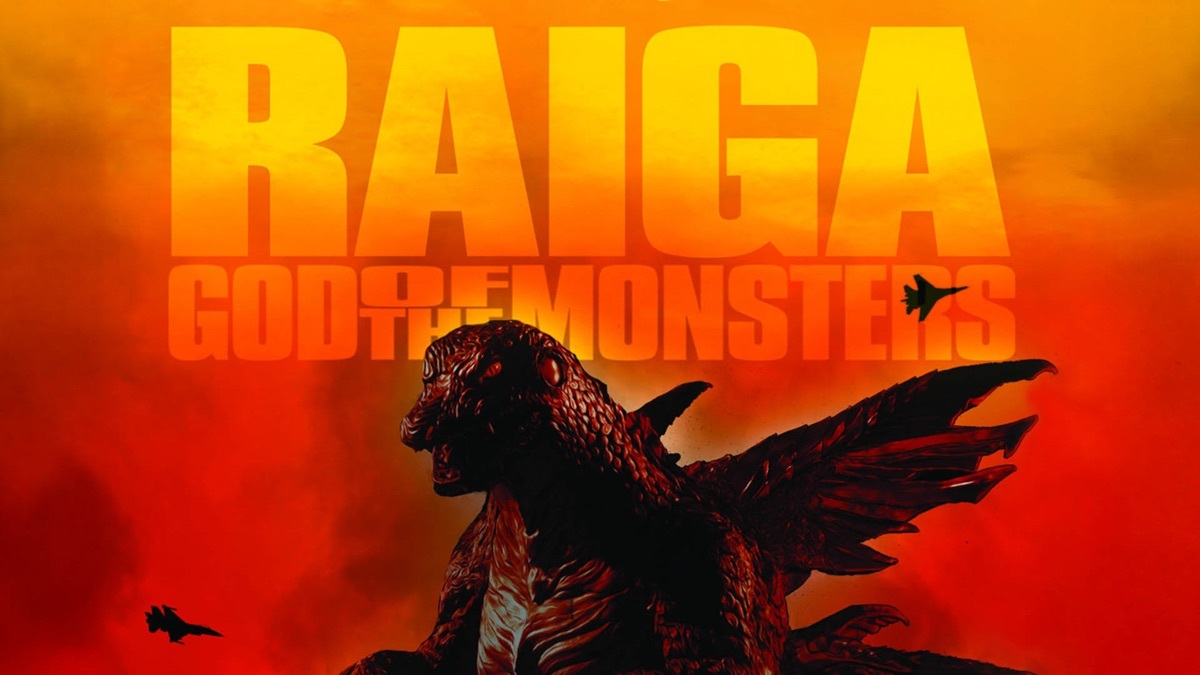
The best giant monster films also understand scale. A kaiju is not simply a large animal. It is a cinematic event. The creature changes the world around it. Streets empty. Sirens sound. The military mobilizes. Scientists debate what to do. Ordinary people are pulled into extraordinary circumstances. That combination of spectacle and human reaction creates the drama.
Creature design is another major reason these films endure. A strong kaiju design can become iconic almost instantly. The silhouette matters. The roar matters. The movement matters. Some monsters look ancient. Some look radioactive. Some feel mythological. Others feel like experiments gone wrong. The creature itself becomes a character, even when it never speaks.
For many viewers, kaiju films are also tied to discovery. These are the kinds of movies people often find late at night, on weekend television, at local video stores, through fan communities, or now through streaming platforms that preserve genre films outside the usual mainstream rotation. That discovery experience matters.
Streaming has created a new opportunity for kaiju and creature-feature fans. Instead of waiting for a rare television broadcast or hunting for out-of-print discs, audiences can now explore different eras and styles of giant monster cinema more easily. That is especially important for independent, public-domain, international, and lesser-known genre films.
At BijouTheater, kaiju and creature features sit naturally alongside cult classics, horror, science fiction, action, animation, westerns, and vintage cinema. These films are part of a larger tradition of movies that were built to entertain, surprise, and sometimes completely confuse the audience in the best possible way.
Kaiju movies also remind us that audiences do not only want perfect films. They want films with identity. A giant monster movie can be dramatic, ridiculous, emotional, chaotic, or all of those things at once. That mix is exactly why people keep returning to the genre.
The continued popularity of giant monster cinema proves that some movie ideas are simply too powerful to disappear. A creature rises from the ocean. A city goes silent. People look up. Something impossible is coming.
That image still works.
And as long as audiences enjoy movies with scale, imagination, danger, and a little bit of beautiful cinematic madness, kaiju films will keep finding new fans.
Watch More on BijouTheater
BijouTheater is available on smart TV platforms including Vizio, LG, Roku, Philips, Whale, VIDAA, and Hisense. You can also join our community on YouTube and watch our full library on BijouTheater.tv.
Coming soon, FamilyCircle.tv will offer a dedicated space for families, with indie films, cartoons, and family-friendly entertainment.
To stay in the know about the latest platform launches, movie updates, new releases, and special offers, sign up for our newsletter at watch@bijou.theater.
New subscription options coming soon: $4.99/month for no ads or $49.99/year. Newsletter subscribers can receive $20 off the yearly plan.