
Asian and Japanese Cinema on BijouTheater: Action, Horror, Cult Film, and Genre Discovery
Asian and Japanese cinema has shaped global film culture through action, horror, martial arts, kaiju, crime stories, underground cinema, and bold genre filmmaking. These films are not limited to one style or one audience. They move across spectacle, fear, revenge, beauty, violence, mystery, and strange cinematic worlds that do not always follow mainstream rules.
That range is exactly why these films belong on BijouTheater.
For viewers who want something beyond the usual streaming recommendations, Asian cinema offers a deeper and more unpredictable path. A film may begin as a martial arts revenge story, shift into crime drama, lean into horror, or become something more surreal and difficult to categorize. That genre flexibility is part of what makes these movies so watchable.
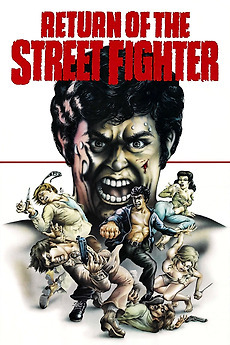
Martial arts and action cinema are a major part of that appeal. Titles like Street Fighter and Return of the Street Fighter helped define a raw, physical style of screen action. These films are built around impact, movement, attitude, and intensity. The fight scenes are not just set pieces. They are part of the storytelling. Every confrontation reveals power, discipline, revenge, survival, or desperation.
That kind of action has a different energy from modern digital spectacle. Older martial arts films often rely on bodies in motion, practical stunt work, sharp choreography, and performers who bring real physical presence to the screen. The result feels direct and immediate. Viewers are not only watching characters fight. They are watching performers create rhythm, danger, and personality through movement.
The Street Fighter films in particular carry a reputation for intensity. They do not soften the violence or slow down the pacing. They hit hard, move fast, and give the lead performer room to dominate the screen. For fans of martial arts cinema, that directness is part of the appeal. These are not polished Hollywood action sequences. They are raw, physical, and built for impact.
Asian and Japanese cinema also has a powerful relationship with horror. Films like Organ and Two Sisters show how horror can move beyond simple scares. These films can be disturbing, psychological, strange, emotional, or visually unsettling. Asian horror often works through atmosphere, silence, family tension, body horror, grief, obsession, and the feeling that something is wrong before the audience fully understands why.
That is what makes these films stick. They do not always explain everything immediately. They let discomfort build. They use mood, imagery, and pacing to create dread. For horror fans, that can be much more memorable than a simple jump scare.
Organ is a particularly intense example. The film moves into body horror, underground crime, organ trafficking, and a visual world that feels genuinely disturbing. It is not a casual watch, but for viewers who appreciate extreme Japanese horror and underground genre cinema, it represents a side of filmmaking that mainstream platforms rarely acknowledge.
Two Sisters works differently. It uses family dynamics, psychological tension, and atmospheric dread to build its horror. The film rewards patience and attention. It does not rely on constant shocks. Instead, it creates a world where something feels deeply wrong, and the viewer has to sit inside that discomfort as the story unfolds.
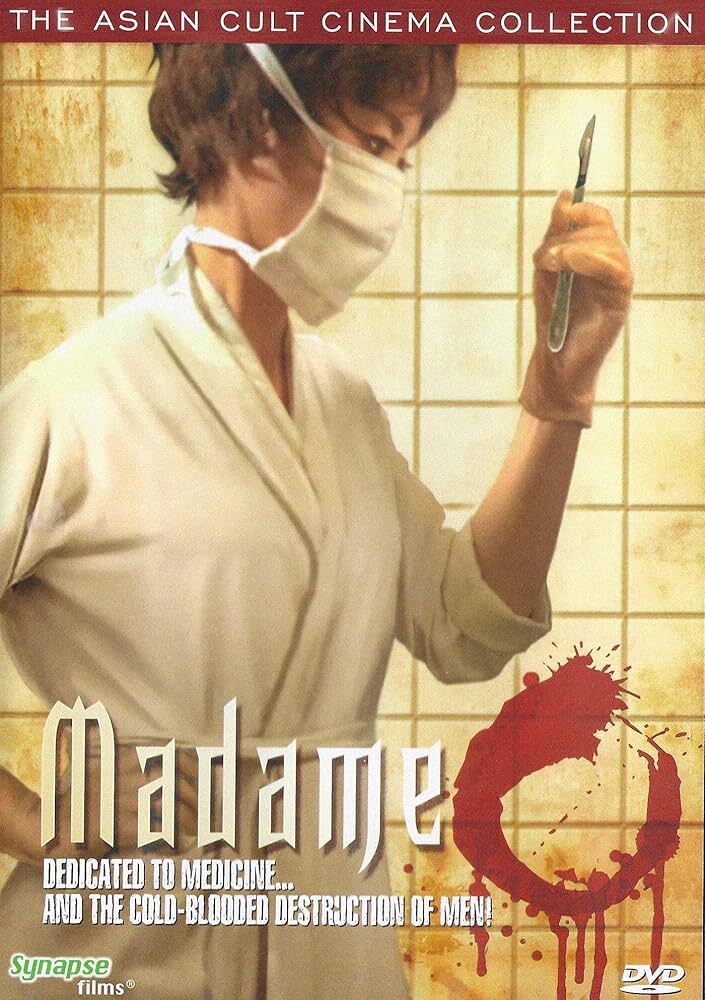
BijouTheater also makes room for films that sit closer to cult, underground, and exploitation cinema. Madame O is the kind of title that speaks to viewers interested in international genre films with a more adult, provocative, or unusual edge. These films are not always polished in the mainstream sense, but they often carry strong visual identity, bold themes, and the kind of strange creative choices that cult audiences remember.
That matters because film history is not only made up of major studio releases and award winners. It is also made up of movies that played in grindhouse theaters, late-night television slots, imported home video collections, fan circles, and specialty catalogs. Asian and Japanese genre films have always had a strong place in that discovery culture.
Kaiju and tokusatsu films are another important part of the category, but they are only one piece of the bigger picture. Titles like Reigo: King of the Sea Monsters, Raiga: God of the Monsters, God Raiga vs. King Ohga, and Nezura 1964 connect viewers to the long tradition of Japanese monster cinema, practical effects, miniature destruction, strange creatures, and large-scale imagination.
These films appeal to fans who enjoy spectacle, but they also carry deeper themes. Giant monster movies often reflect anxiety about war, science, nature, technology, and survival. The monster is the attraction, but the meaning underneath is what gives the genre staying power. For more on this tradition, explore our article on why kaiju movies still matter.
What makes Asian and Japanese cinema especially valuable on BijouTheater is the variety. A viewer might come in looking for martial arts action and discover horror. Someone interested in kaiju may end up exploring underground cult film. A horror fan may move into crime, revenge, exploitation, or strange independent cinema. That kind of cross-discovery is what makes a genre-focused streaming library feel alive.
This is also important for preservation. Many international genre films did not receive the same long-term visibility as major Hollywood titles. Some were hard to find for years. Others circulated through collectors, imports, small distributors, or niche fan communities. Streaming gives these films a better chance to be seen by new audiences instead of being buried by time.
BijouTheater exists for viewers who like movies with personality. That includes martial arts classics, Japanese horror, kaiju films, cult cinema, underground releases, vintage genre films, and international titles that do not fit neatly into one box. These are the kinds of films that reward curiosity.
Asian and Japanese cinema continue to matter because they expand what movie fans can discover. They show that action can be physical and raw. Horror can be quiet and disturbing. Monster movies can be strange and meaningful. Cult films can be messy, bold, and unforgettable.
For viewers who want something outside the mainstream, Asian and Japanese cinema on BijouTheater is a strong place to start.
Watch More on BijouTheater
BijouTheater is available on smart TV platforms including Vizio, LG, Roku, Philips, Whale, VIDAA, and Hisense. You can also join our community on YouTube and watch our full library on BijouTheater.tv.
Coming soon, FamilyCircle.tv will offer a dedicated space for families, with indie films, cartoons, and family-friendly entertainment.
To stay in the know about the latest platform launches, movie updates, new releases, and special offers, sign up for our newsletter at watch@bijou.theater.
New subscription options coming soon: $4.99/month for no ads or $49.99/year. Newsletter subscribers can receive $20 off the yearly plan.