Westerns and Americana on BijouTheater: Frontier Stories, Outlaws, Lawmen, and Classic Movie Mythology
Westerns are one of the foundations of American movie history. Long before modern action franchises, crime thrillers, superhero universes, and prestige streaming dramas, westerns gave audiences a clear cinematic language: open land, dangerous towns, moral choices, outlaws, sheriffs, ranchers, revenge, survival, and the constant tension between freedom and order.
That is why westerns still belong on BijouTheater.
The genre is not only about horses and gunfights. A strong western is usually about pressure. A town is divided. A ranch is threatened. A stranger arrives. A lawman has to choose between peace and violence. A family tries to survive. A community has to decide what kind of future it wants. Those ideas still work because they are simple, direct, and deeply cinematic.
On BijouTheater, viewers can explore western titles such as McLintock!, Angel and the Badman, Abilene Town, The Outlaw, Kansas Pacific, Vengeance Valley, Rage at Dawn, Buffalo Bill in Tomahawk Territory, The Big Trees, and The Bushwhackers. Together, these films show how broad the western category can be, from frontier comedy and romance to crime, revenge, railroad conflict, ranch drama, and outlaw mythology.
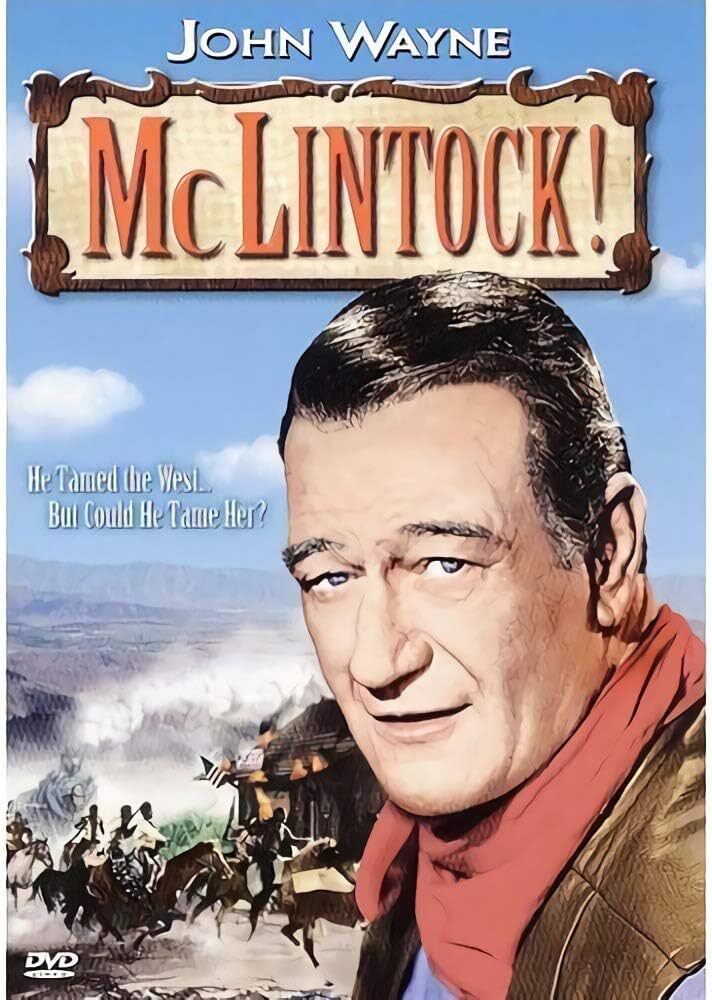
McLintock! is one of the most recognizable western titles in the collection. Directed by Andrew V. McLaglen and starring John Wayne and Maureen O'Hara, the film blends western setting with comedy, family tension, ranch politics, and a larger-than-life screen presence. It is a good example of how westerns could be broad entertainment, not just serious frontier drama.
Wayne and O'Hara had a screen chemistry that made their collaborations memorable. McLintock! uses that chemistry to build a western that is as much about personality clashes, community dynamics, and comedic set pieces as it is about frontier life. For viewers who think westerns are always grim and violent, this film offers a different entry point.
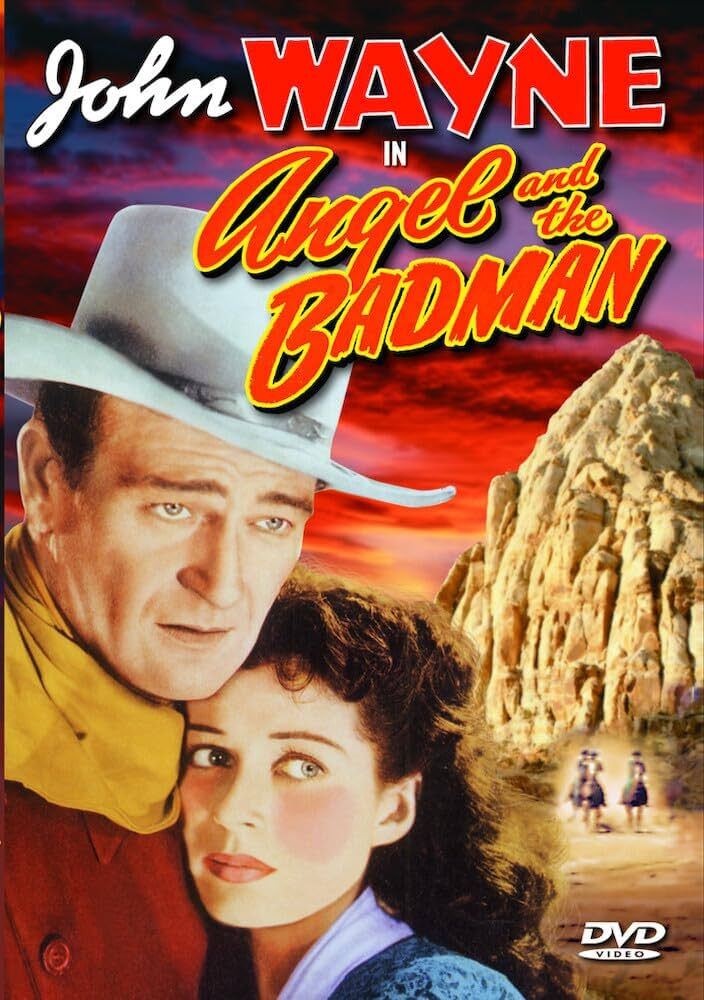
Angel and the Badman shows another side of the genre. Written and directed by James Edward Grant, and starring John Wayne, Gail Russell, Harry Carey, and Bruce Cabot, the film uses the familiar figure of the violent gunman and places him against a more peaceful moral world. That contrast between violence and conscience is one of the classic western engines.
The film asks a question that many westerns return to: can a man defined by violence choose a different path? That tension between reputation and redemption gives the story its emotional weight. It is a quieter western, more interested in character than spectacle, and it rewards viewers who appreciate storytelling over action alone.
Abilene Town brings in the lawman side of western storytelling. Directed by Edwin L. Marin and starring Randolph Scott, Ann Dvorak, Edgar Buchanan, Rhonda Fleming, and Lloyd Bridges, the film centers on conflict in a cattle town and the struggle to keep order when different groups want control. It gives viewers the kind of civic tension that westerns often handle well: who owns the town, who controls the land, and who gets protected by the law.
The Outlaw is a different kind of western landmark. Directed by Howard Hughes and starring Jack Buetel, Jane Russell, Thomas Mitchell, and Walter Huston, the film became known as much for its publicity and controversy as for its outlaw story. That makes it especially interesting for cult and vintage film audiences because it shows how a western could become part of movie-marketing history, censorship debate, and Hollywood mythology.
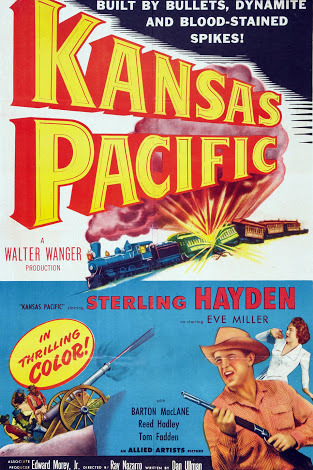
Other BijouTheater westerns open up even more of the genre. Kansas Pacific brings in the railroad and expansion side of western storytelling. Vengeance Valley points toward family conflict, ranch tension, and revenge. Rage at Dawn leans into outlaw crime and pursuit. Buffalo Bill in Tomahawk Territory connects to frontier legend. The Big Trees moves the western into lumber, land, and resource conflict. The Bushwhackers adds another layer of postwar and frontier tension.
That variety matters. A western library should not feel like one repeated story. It should include comedy, romance, revenge, land disputes, cattle towns, railroad expansion, outlaw gangs, family conflict, and frontier mythmaking. The best western programming gives viewers multiple doors into the genre.
BijouTheater also includes titles such as West of the Divide, Riders of Destiny, The Lucky Texan, The Dawn Rider, The Man from Utah, Blue Steel, Texas Terror, Lawless Frontier, Neath the Arizona Skies, Randy Rides Alone, The Star Packer, Sagebrush Trail, and Paradise Canyon. These titles connect viewers to the faster, leaner, matinee-style western tradition where action, danger, mistaken identity, and frontier justice often drive the story.
Those shorter, older westerns are important because they helped build the rhythm of popular moviegoing. They were not always designed as prestige films. They were built to entertain. They gave viewers clear heroes, dangerous villains, horseback chases, saloon confrontations, dusty roads, hidden motives, and clean story momentum. That kind of direct storytelling still has value.
Western movies also help explain Americana on screen. These films created and repeated images that became part of the cultural imagination: the lone rider, the isolated ranch, the main street showdown, the stagecoach, the campfire, the jailhouse, the saloon, the sheriff's badge, the wanted poster, and the wide-open landscape. Whether realistic or exaggerated, those images became part of how movies visualized American identity.
That does not mean westerns are simple. Many of them carry contradictions. They can celebrate independence while showing the cost of violence. They can romanticize the frontier while revealing instability and danger. They can present heroes who keep order but still live outside normal rules. That tension is why the genre has lasted.
For modern viewers, westerns can also feel refreshing because they are visually and structurally different from a lot of current streaming content. The stakes are usually clear. The world is physical. The landscape matters. Characters are often defined by action, silence, reputation, and moral choice. A person's decision in a single scene can decide the fate of a town, a family, or a future.
Westerns also connect naturally to BijouTheater's larger catalog. Fans of cult cinema can appreciate the rougher, stranger, lower-budget westerns. Fans of vintage TV and public domain films can enjoy the nostalgia and historical style. Fans of action movies can trace the genre roots of standoffs, pursuit, revenge, and lone-hero storytelling.
The western also overlaps with public domain and vintage preservation. Many older westerns stayed alive through television reruns, public domain libraries, bargain video labels, collector circles, and local programming blocks. For decades, these films were weekend viewing, late-afternoon television, and background comfort for audiences who liked familiar stories told in a familiar world.
Streaming gives those titles another life. When BijouTheater places westerns beside horror, kaiju, Black cinema, Asian cinema, indie films, public domain titles, and cult classics, it creates a broader picture of film discovery. The platform is not only about one niche. It is about giving viewers access to movies with identity, history, and personality.
Westerns still matter because they are built on durable ideas: danger, land, loyalty, law, violence, survival, reputation, and the question of what people do when there is no easy authority to trust. That is why the genre keeps returning in different forms.
For viewers who want classic frontier stories, vintage Americana, old Hollywood stars, matinee action, outlaw mythology, and public domain western discovery, westerns on BijouTheater are a strong place to start.
Watch More on BijouTheater
BijouTheater is available on smart TV platforms including Vizio, LG, Roku, Philips, Whale, VIDAA, and Hisense. You can also join our community on YouTube and watch our full library on BijouTheater.tv.
Coming soon, FamilyCircle.tv will offer a dedicated space for families, with indie films, cartoons, and family-friendly entertainment.
To stay in the know about the latest platform launches, movie updates, new releases, and special offers, sign up for our newsletter at watch@bijou.theater.
New subscription options coming soon: $4.99/month for no ads or $49.99/year. Newsletter subscribers can receive $20 off the yearly plan.