Black Cinema on BijouTheater: Action, Drama, Crime, Sci-Fi, and Independent Film History
Black cinema is not one genre. It includes action, crime, drama, comedy, biography, westerns, science fiction, independent film, and cult cinema. It includes major stars, overlooked performers, bold directors, regional stories, social commentary, and films that found audiences outside the usual studio system.
That range is exactly why it belongs on BijouTheater.
Too often, Black films are discussed through one narrow lens. The reality is wider. Black cinema includes serious drama, street-level crime stories, action heroes, family conflict, political tension, sports history, genre experiments, and low-budget films that helped shape cult movie culture.
On BijouTheater, viewers can explore that variety through titles such as Mean Johnny Barrows, River Niger, Get Christie Love, Black Cobra, The Baron, Jive Turkey, Joe Louis Story, Gatling Gun, and Brother From Another Planet. These films do not all look or feel the same, and that is the point.
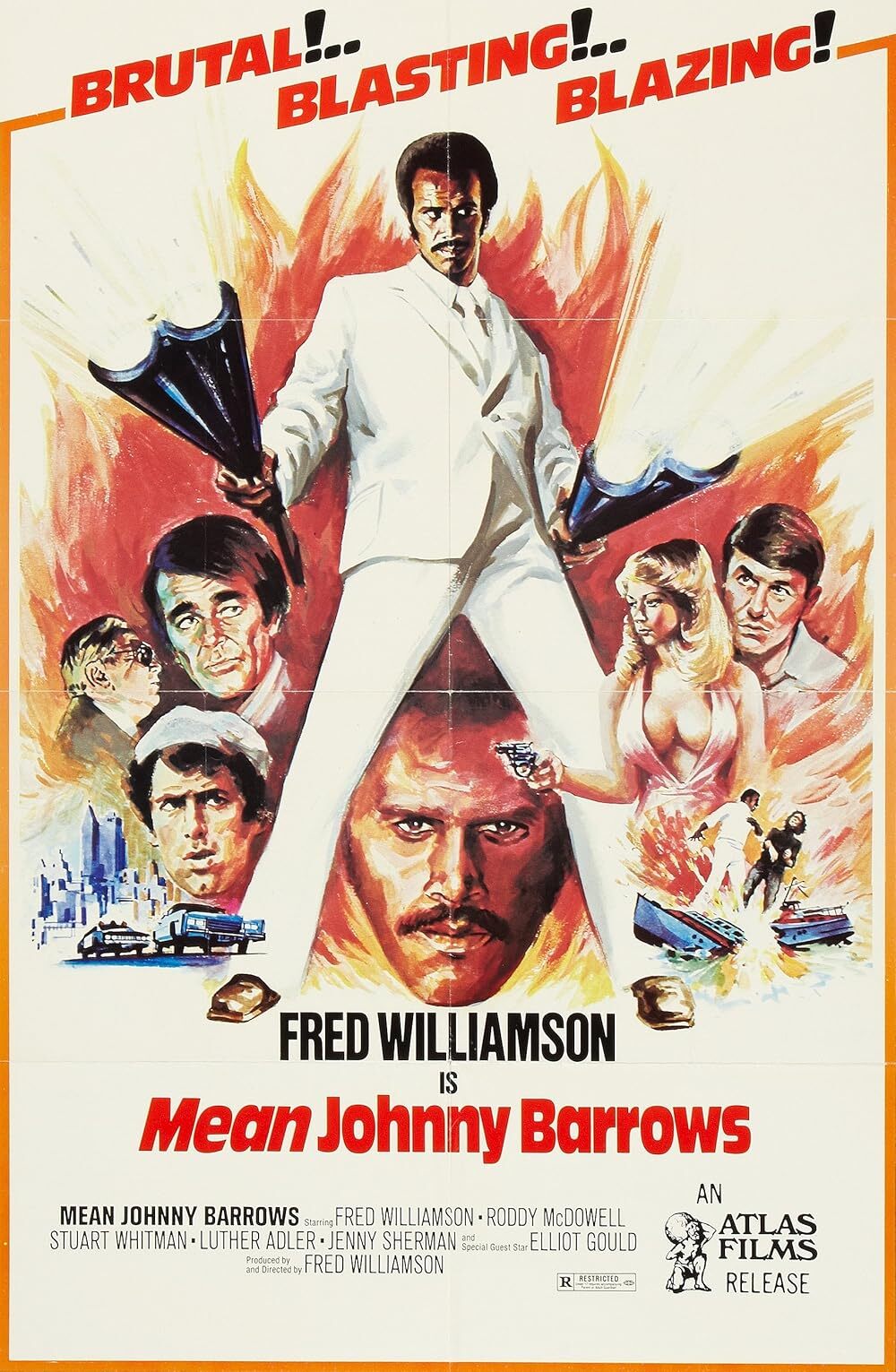
Mean Johnny Barrows is a strong example of Black action and crime cinema. The film was directed by Fred Williamson, who also stars alongside Roddy McDowall and Stuart Whitman. Williamson's screen presence is central to the movie's appeal: tough, direct, and built for the kind of gritty 1970s crime storytelling that cult audiences still seek out.
Williamson understood something important about action cinema. The lead has to command the screen. Mean Johnny Barrows works because Williamson brings physical authority, attitude, and a refusal to be pushed around. That energy defined an era of Black action filmmaking and still resonates with viewers who appreciate tough, no-nonsense genre cinema.
River Niger brings a different kind of weight. Directed by Krishna Shah and starring James Earl Jones, Cicely Tyson, Louis Gossett Jr., and Glynn Turman, the film adapts Joseph A. Walker's play into a family-centered drama with emotional and cultural force. This is not action cinema. This is a film about family pressure, generational conflict, artistic ambition, and the weight of expectations within a Black household.
The cast alone makes River Niger significant. James Earl Jones and Cicely Tyson bring dramatic power that elevates the material beyond simple genre classification. For viewers who appreciate serious drama alongside their cult and genre discoveries, River Niger shows the depth available in the BijouTheater library.
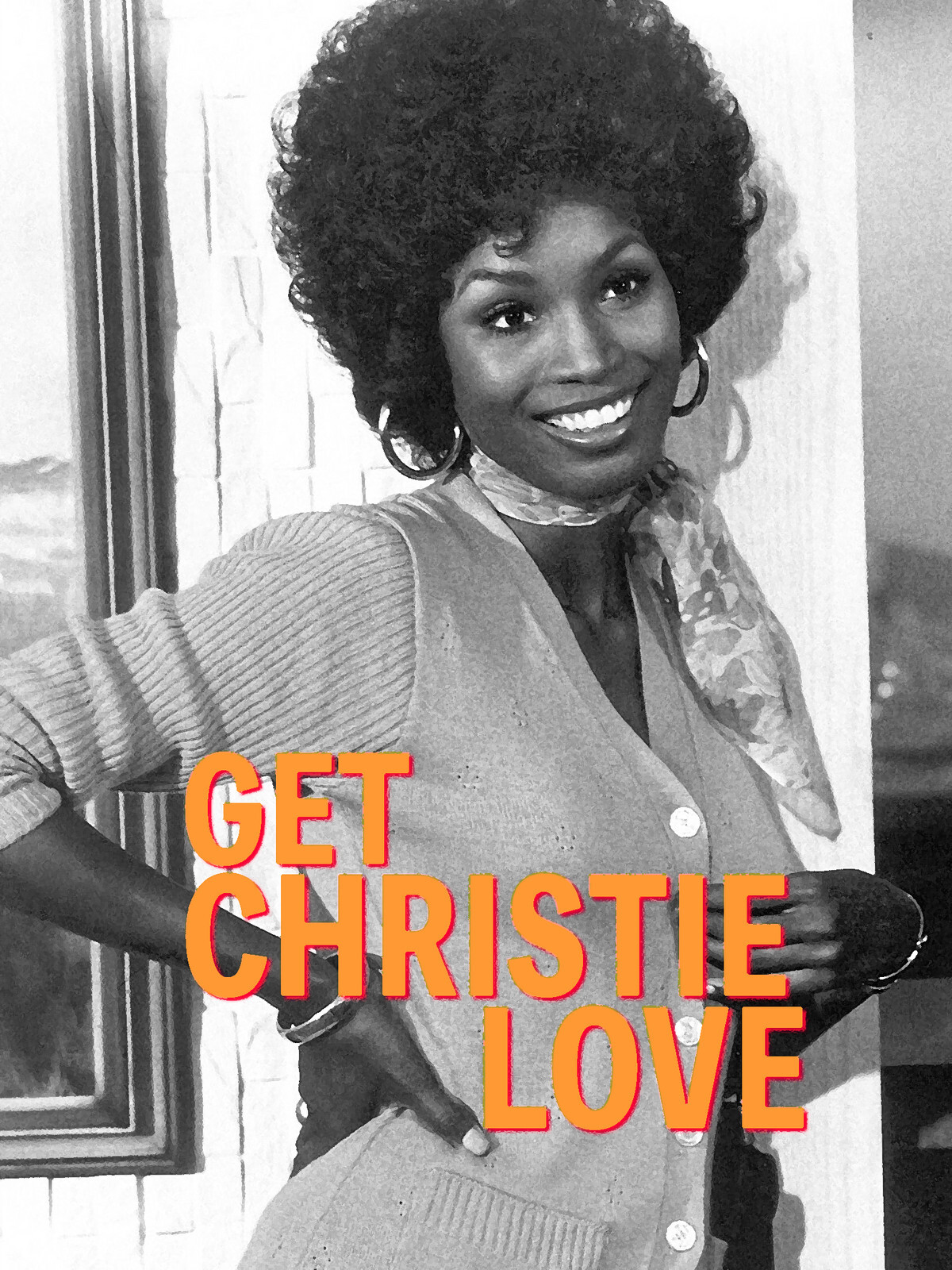
Get Christie Love is another important title because of Teresa Graves. Graves starred as undercover detective Christie Love in the 1974 television movie directed by William A. Graham, and the role became a notable moment for Black women in American television crime drama. The character is smart, capable, and central to the action in a way that was still uncommon for the era.
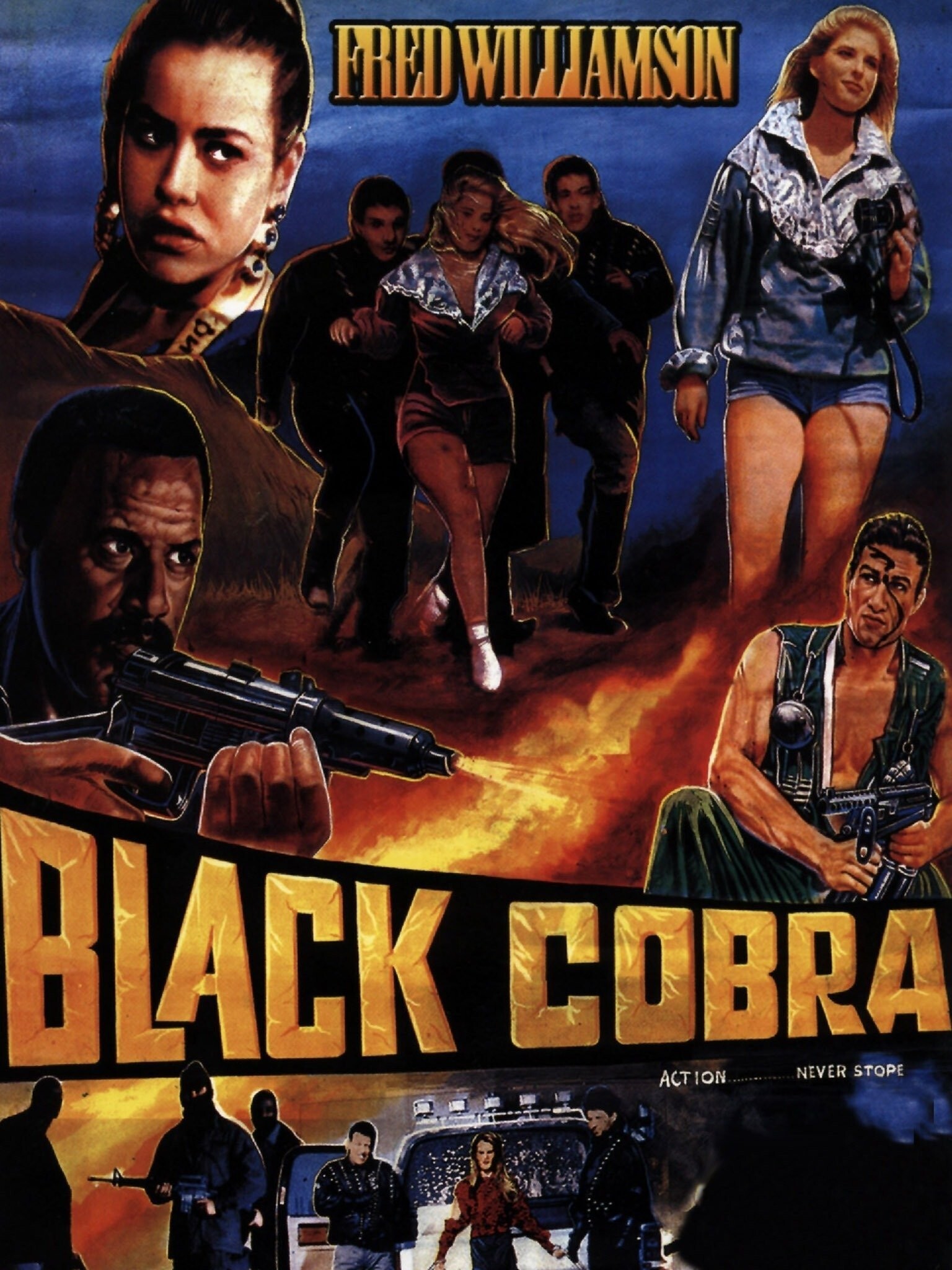
Black Cobra continues the Fred Williamson action thread. Directed by Stelvio Massi, the film stars Williamson as a hard-edged detective protecting a witness from a violent biker gang. It fits naturally beside crime thrillers, action films, and international exploitation cinema. The Italian production gives it a slightly different texture from American-made action films of the same period.
The Baron and Jive Turkey add more variety to the collection. These films represent different corners of Black genre cinema, from crime stories to street-level drama, each with its own tone, setting, and audience appeal. They are the kinds of titles that cult film fans discover and remember because they carry personality that mainstream releases often lack.
Joe Louis Story moves the conversation into biography and sports history. The film tells the story of one of boxing's most important figures, connecting Black cinema to real history, athletic achievement, and the cultural significance of sports in American life. It is a reminder that Black cinema includes documentary-style storytelling and biographical drama alongside action and genre work.
Brother From Another Planet shows how Black cinema can also move into science fiction and social commentary. Written and directed by John Sayles and starring Joe Morton, the film uses the story of an alien in Harlem to explore identity, displacement, labor, race, and survival through a genre lens. It is smart, quiet, observational, and unlike most science fiction of its era.
Sayles and Morton created something that works as both science fiction and social observation. The alien does not speak, but the world around him speaks volumes. The film watches how people interact, how communities function, how outsiders are treated, and how survival works at the margins. For viewers who appreciate genre filmmaking with substance, Brother From Another Planet is essential.
Gatling Gun adds another angle by bringing Black cinema into the western and action space through the presence of Woody Strode, alongside Guy Stockwell, Robert Fuller, and John Carradine. The film shows how Black performers appeared across genres, including westerns that were not always marketed as Black cinema but still belong in a broader conversation about representation.
That range is what makes the BijouTheater collection useful. A viewer may start with the crime-world grit of Mean Johnny Barrows and then move to the family drama of River Niger. Someone may discover Teresa Graves in Get Christie Love and then explore action titles like Black Cobra. Another viewer may come for Brother From Another Planet and discover how science fiction can carry social meaning without feeling like a lecture.
Black cinema also matters because many of these films were created, distributed, or remembered outside the easiest mainstream path. Some were independent. Some were genre pictures. Some were television movies. Some were action vehicles. Some were overlooked in their time and rediscovered later by cult audiences, collectors, programmers, and viewers who wanted a wider view of film history.
That is exactly where BijouTheater can serve a purpose. By placing Black cinema beside cult classics, westerns, horror, sci-fi, kaiju, vintage television, and independent films, the platform gives these titles more room to be found.
Black cinema is not only one story. It is crime drama, family drama, action, westerns, biography, sci-fi, comedy, exploitation, social realism, and independent filmmaking. It is Fred Williamson building a tough screen persona. It is Cicely Tyson and James Earl Jones bringing dramatic force to a family story. It is Teresa Graves leading an action-crime story. It is Joe Morton and John Sayles using science fiction to talk about life on the margins.
For viewers who want to explore beyond the same familiar recommendations, Black cinema on BijouTheater offers a stronger, more varied path into film discovery.
Watch More on BijouTheater
BijouTheater is available on smart TV platforms including Vizio, LG, Roku, Philips, Whale, VIDAA, and Hisense. You can also join our community on YouTube and watch our full library on BijouTheater.tv.
Coming soon, FamilyCircle.tv will offer a dedicated space for families, with indie films, cartoons, and family-friendly entertainment.
To stay in the know about the latest platform launches, movie updates, new releases, and special offers, sign up for our newsletter at watch@bijou.theater.
New subscription options coming soon: $4.99/month for no ads or $49.99/year. Newsletter subscribers can receive $20 off the yearly plan.